
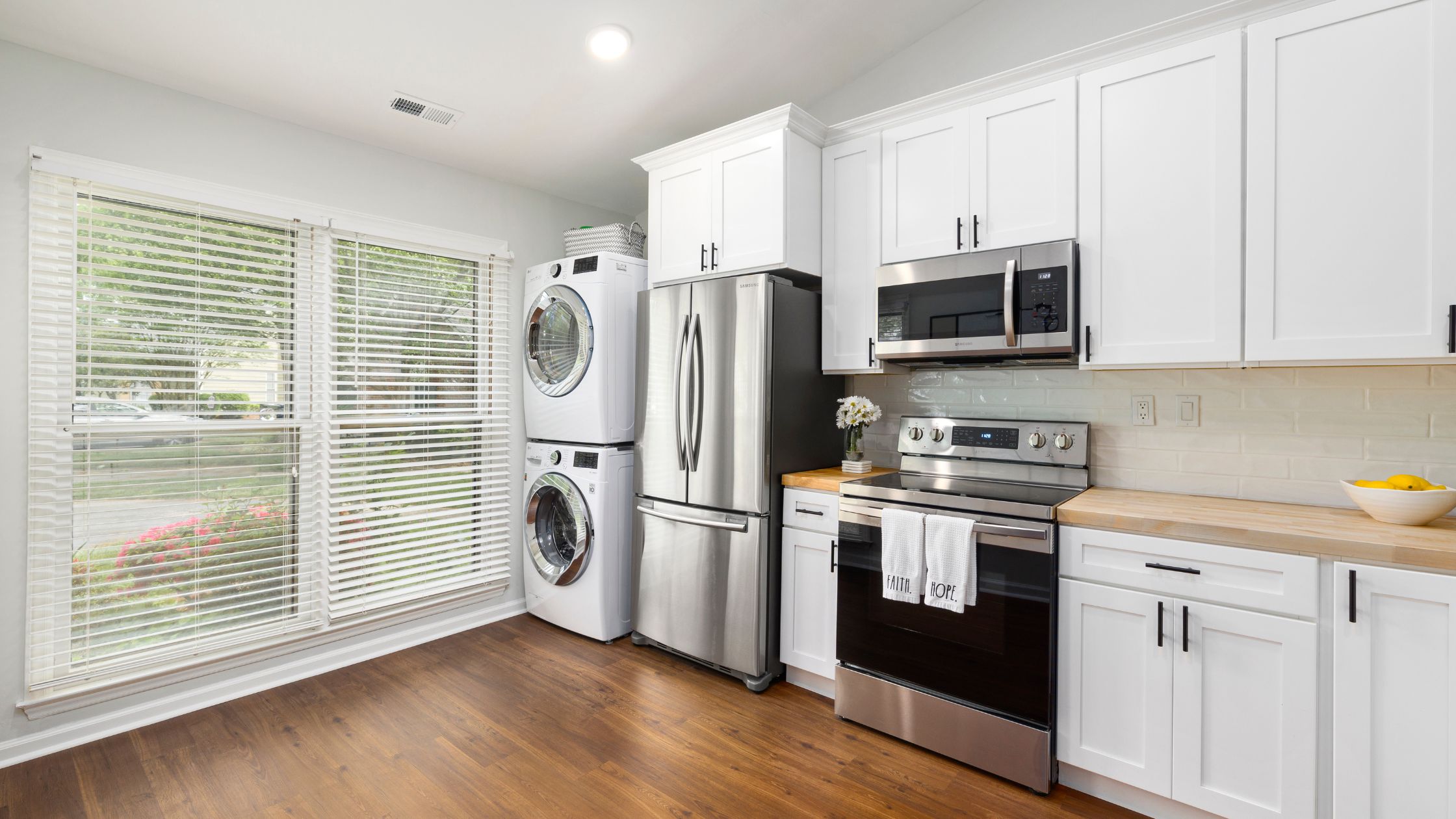
A stove remains one of the most important appliances in any kitchen. From preparing everyday meals to cooking for special occasions, homeowners depend on consistent performance and reliable temperature control. However, when an appliance starts developing problems, deciding whether to repair it or purchase another one can become challenging.
Understanding the Signs You Should Replace Your Stove can help you make this decision without wasting money on repeated repairs. Instead of waiting for a complete breakdown, evaluate the appliance’s condition, operating costs, safety, and overall performance.
This guide explains how to assess your existing stove, identify when replacement makes financial sense, and select an appropriate model for your household.

Understanding the Real Cost of Keeping an Old Stove
Many homeowners keep aging stoves to avoid replacement costs. However, frequent repairs can increase expenses. Therefore, review repair history and compare long-term costs before deciding.
- Previous repair expenses: Calculate how much you have already spent maintaining the appliance.
- Current repair estimate: Ask a qualified technician to identify the problem and explain the expected cost.
- Replacement budget: Compare the repair estimate with the price of a suitable replacement.
- Remaining lifespan: Consider the stove’s age, usage history, and overall mechanical condition.
- Safety requirements: Identify any electrical, gas, or structural problems that could affect safe operation.
When several major components require attention, replacing the appliance may offer better long-term value.
When a Stove Problem Deserves Immediate Attention
Not every performance issue requires replacement. However, certain problems demand immediate professional attention.
Gas-related concerns deserve particular caution. If you notice a persistent gas smell, stop using the stove, avoid electrical switches, leave the property, and contact your gas provider or emergency services from a safe location.
Electrical problems also require prompt attention. Repeated sparking, damaged wiring, or circuit breaker trips can indicate internal faults.
A cracked glass cooktop, damaged burner assembly, or malfunctioning oven door may also affect household safety. Always request a professional diagnosis before attempting repairs or deciding whether replacement makes more sense.
Repair or Replace? Making the Financial Decision
Before choosing replacement, compare repair costs with the stove’s age, condition, and expected lifespan. Consider these three common situations.
- Minor Component Failure: Repairing a relatively new stove may offer better value and extend its useful lifespan.
- Multiple Component Failures: Compare repair expenses with replacement costs before approving extensive repairs.
- Safety Concerns: Replace severely damaged stoves when professionals cannot ensure safe operation.
Ultimately, the Signs You Should Replace Your Stove become more important when repair expenses, age, and safety concerns occur together.
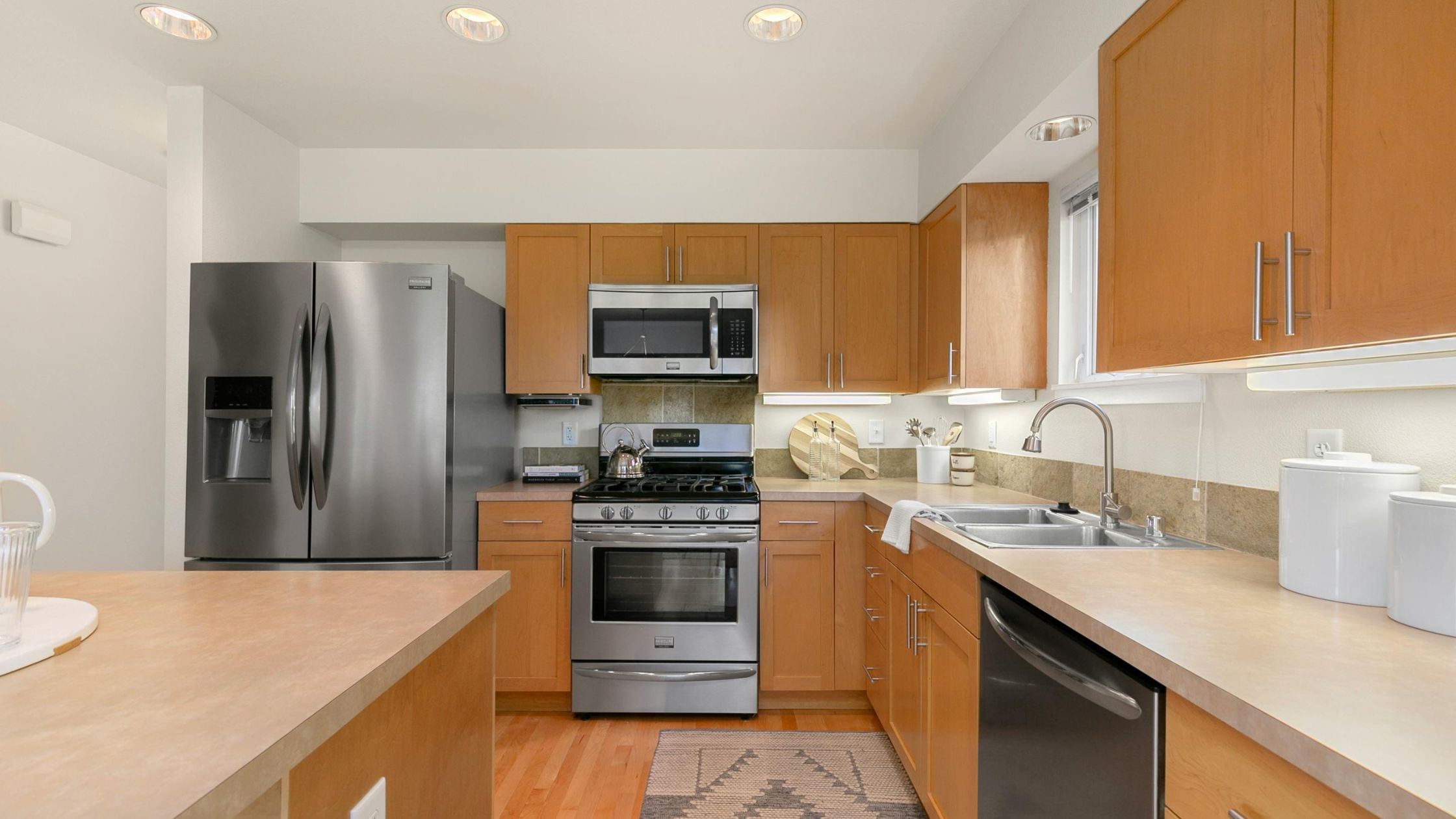
Choosing the Right Replacement for Your Kitchen
Once replacement becomes the practical choice, select an appliance that matches your cooking habits and kitchen setup.
Start by evaluating the following factors.
1. Gas or Electric Configuration
Check your kitchen’s existing connections before choosing a replacement. Gas ranges require gas lines, while electric models need suitable electrical connections and professional installation to ensure safe, reliable everyday operation.
2. Freestanding or Slide-In Design
Freestanding ranges feature raised rear controls, while slide-in models offer front controls and seamless countertop integration. Choose a design that suits your kitchen space, layout, and cooking preferences.
3. Cooking Capacity and Features
Evaluate burner quantity, oven capacity, temperature controls, and cooking features. Larger households need greater capacity, while compact kitchens benefit from space-saving designs with practical cooking functions.
4. Condition and Warranty
New appliances offer modern features and warranties, while quality-tested used or scratch-and-dent models provide affordable alternatives. Always check condition, coverage, accessories, and installation requirements.
Choosing the right replacement requires comparing features, size, condition, and budget. Therefore, prioritize reliable performance, suitable installation, and long-term value for your kitchen.
Finding Affordable Stove Parts and Replacement Appliances
Compatible replacement parts can restore stove performance affordably. Search for Stove Parts Near You, compare repair options, or explore Home Star Appliances’ affordable gas and electric ranges.
- Check your stove’s brand and model number carefully.
- Verify component compatibility before purchasing replacement parts.
- Compare repair costs with available replacement options.
- Explore new, used, and scratch-and-dent stove models.
- Consider delivery, installation, financing, and warranty availability.
Choosing between stove repair and replacement requires careful evaluation. Compare costs, safety, and performance to find reliable appliance solutions that suit your kitchen and budget.
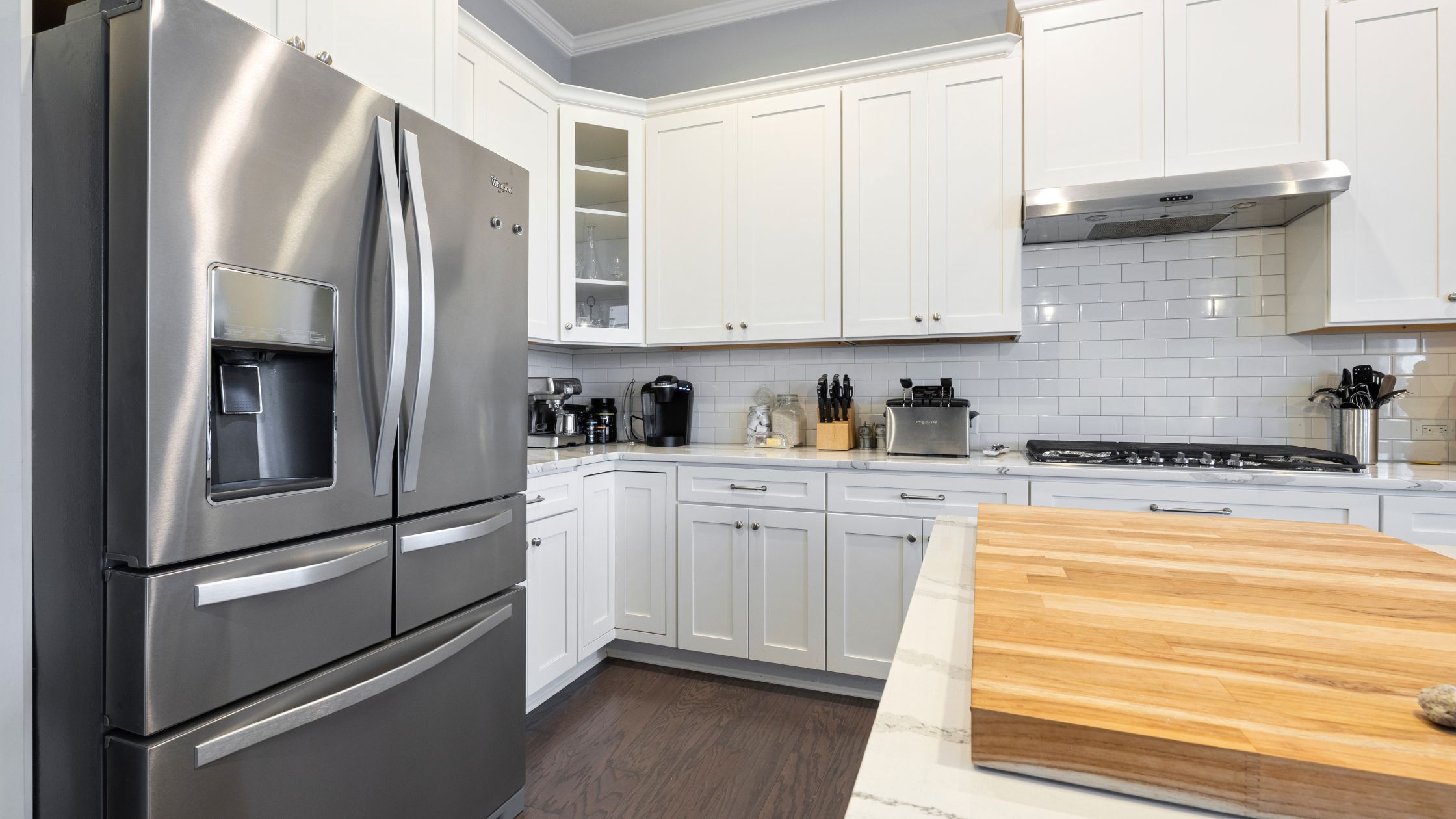
Preparing Your Kitchen Before Installing a New Stove
Purchasing a replacement represents only one part of the process. Proper preparation ensures smoother installation.
Measure the available width, depth, and height before confirming compatibility with your existing gas or electrical connection. Also, inspect nearby cabinets and countertops for clearance issues.
Before delivery, remove nearby items and arrange professional disconnection and installation, especially for gas appliances. Finally, review the manufacturer’s instructions and follow the installer’s safety recommendations.
Conclusion
Deciding whether to repair or replace an aging appliance requires careful consideration of its condition, repair history, operating performance, and safety. Recognizing the Signs You Should Replace Your Stove early can help prevent unnecessary expenses and make kitchen upgrades easier to plan.
Before purchasing another model, compare available features, appliance conditions, warranties, and installation requirements. For homeowners in Houston seeking affordable replacement options, Homestarappliances provides new, used, and scratch-and-dent stoves alongside appliance parts, repair support, delivery, and installation services.
The right purchasing decision can improve everyday cooking convenience while supporting your household budget.
FAQs
1. Should I repair my stove or purchase a replacement?
Compare the repair estimate with the replacement price, appliance age, and overall condition. A minor repair may make sense, while repeated major failures can justify replacement.
2. What is the average lifespan of a kitchen stove?
Many kitchen stoves last approximately 13–15 years, although actual lifespan varies according to appliance type, maintenance, usage, and component quality.
3. Are scratch-and-dent stoves worth purchasing?
Yes. Quality-tested scratch-and-dent stoves can offer good value because they typically have minor cosmetic imperfections while maintaining normal operating functionality. Always check inspection results and warranty coverage.
4. How can I find compatible stove replacement parts?
Check your appliance’s brand and model number before contacting an appliance parts supplier. A qualified technician can also identify the correct component and recommend suitable replacement options.